
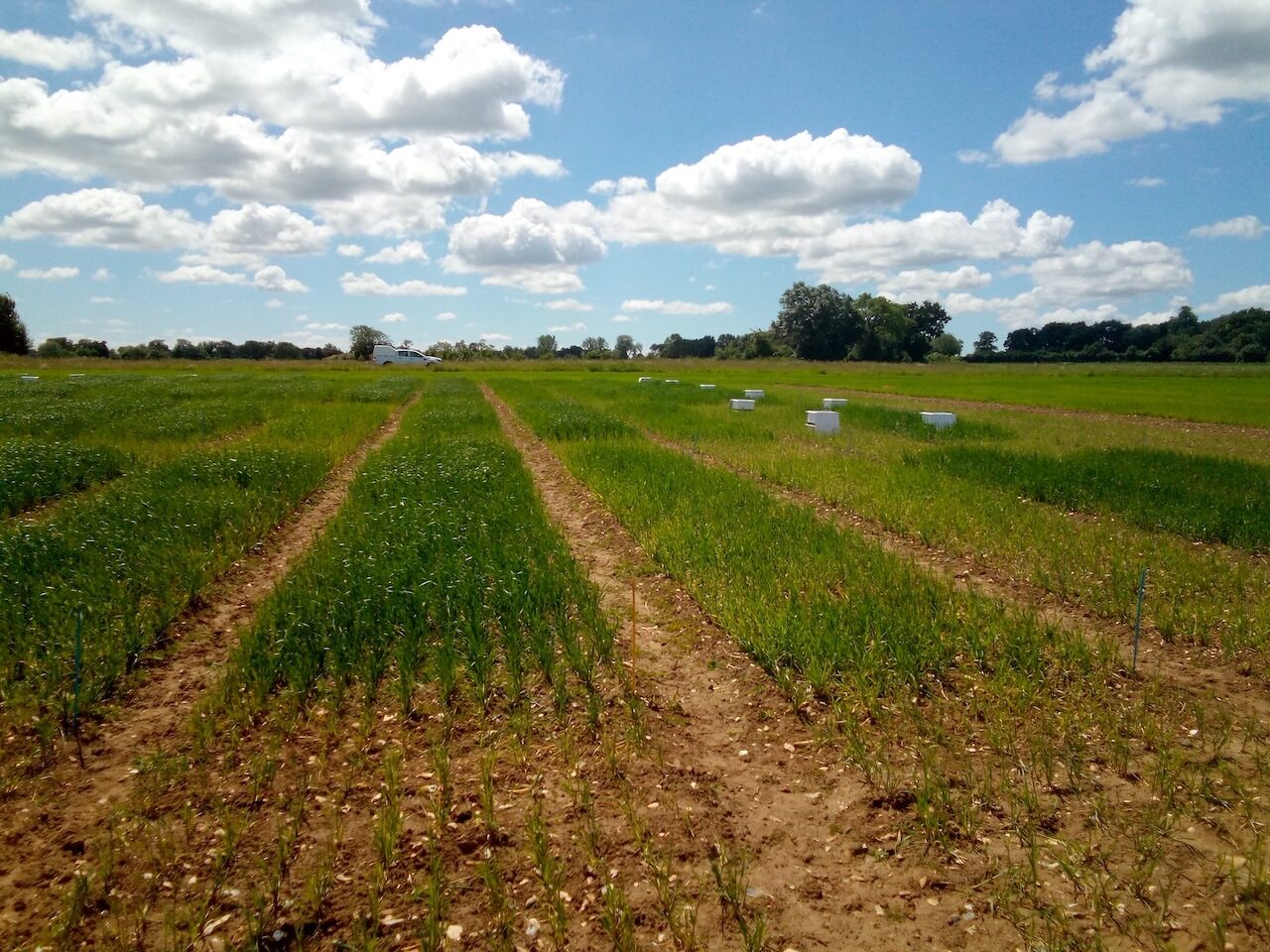
Independent trials at Rothamsted Research have shown an organo-mineral fertiliser (OMF) delivering a 27.7% grain yield increase over standard mineral nitrogen in spring barley. At the same nitrogen rate of 160kg N/ha, OMF plots produced 9t/ha compared with 7.05t/ha from mineral equivalents across sites in Harpenden, Suffolk and Devon. Based on AHDB grain prices for April 2026, that equates to an uplift in revenue of around £205/ha.
The results are notable because they come from three contrasting locations, soil types and seasons, including both wet and dry conditions. That consistency strengthens the case for growers looking for more resilient nutrient strategies as weather extremes become more common.
Consistent performance in contrasting seasons
The Rothamsted product was developed by SoilWorx and closely reflects the Agrii-Fortis OMF range. Crucially, year one was wet and year two was notably dry, yet OMF outperformed mineral nitrogen in both seasons, suggesting the benefit is not simply a one-year weather effect.
SoilWorx sales director Dr Paul O’Hora says the trials now provide two “bookends” of a cropping cycle, showing the product can perform in very different growing conditions.
Pre-harvest observations in the dry 2025 season also suggested OMF-treated crops maintained performance without obvious signs of stress, reinforcing the harvest data.
The practical message is simple: more grain and higher gross output without changing the application system. The fertiliser was applied as a conventional top dressing in two passes, using standard kit and timings.
According to SoilWorx, that gives growers the choice either to pursue extra yield or use the findings to review input efficiency and overall fertiliser strategy.
Alongside yield, the trials recorded a 272% increase in microbial biomass from a single application. The theory is that phased nutrient release supports soil biology, improves rooting and nutrient cycling, and helps crops cope better with variable conditions.
With fertiliser costs and supply concerns still shaping decisions, the Rothamsted results give growers independent data to assess whether OMF can offer both agronomic resilience and commercial return.
Related news: