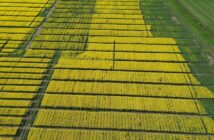

The latest cabbage stem flea beetle (CSFB) stem larvae survey is providing further evidence that confidence is returning to UK oilseed rape.
Funded by United Oilseeds and carried out by Niab, the survey asked 100 growers from across the UK to submit 10 oilseed rape stems from each farm during March. Every sample was carefully examined by Colin Peters and the Niab team to determine the number of cabbage stem flea beetle larvae present, with each participating grower receiving their own individual results.
For the second consecutive year, larval numbers have remained consistently low across the vast majority of farms surveyed. While a small number of individual sites recorded higher pressure, the national picture closely mirrors last year’s results, with significantly lower levels of CSFB than those experienced during the most challenging seasons.
The survey itself is another example of the collaborative approach that has underpinned the industry’s recovery. By volunteering stem samples, 100 United Oilseeds growers have helped build one of the clearest national pictures of CSFB pressure, providing valuable information for both researchers and growers alike.
The survey findings add to a growing sense of optimism around the crop. The oilseed rape area is increasing once again, prices have remained steady, and gross margins continue to compare favourably with many alternative break crops. After several difficult years, more growers are recognising the important role oilseed rape can once again play within the rotation.
However, maintaining that progress depends on continuing to adopt the practical measures that have emerged through industry collaboration.
Post harvest opportunity
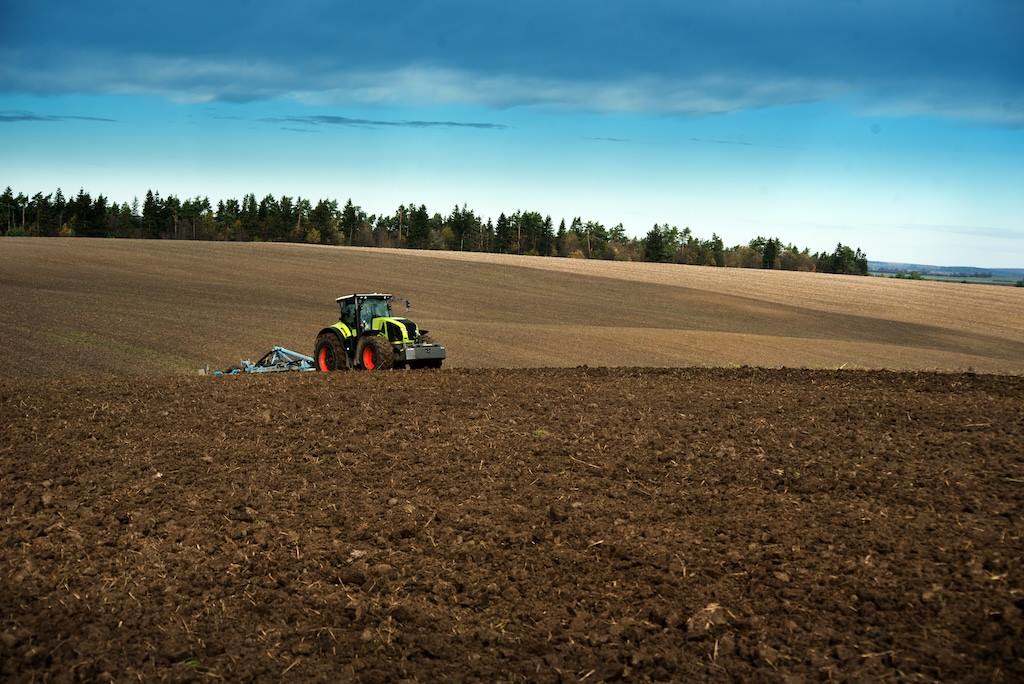
Research led by Colin Peters at Niab has shown that carrying out a shallow cultivation of oilseed rape stubbles to around 30 mm as soon as possible after harvest can reduce the number of emerging adult flea beetles by 50–90%. By disrupting the insects as they pupate in the soil, growers can significantly reduce the population emerging later in the summer and help lower pressure on the following crop.
As shallow post-harvest cultivation is now recognised as one of the most effective practical actions growers can take and remains an important area of work within the jointly funded CSFB Research+ programme, where researchers continue to refine and validate best practice.
The latest survey suggests UK growers have entered a second consecutive season with relatively low cabbage stem flea beetle pressure. That’s encouraging but maintaining that position depends on continuing to adopt the practical measures that research is identifying.
As harvest gets underway, every grower has an opportunity to help keep CSFB pressure low ahead of this autumn’s drilling.
- Carry out a shallow cultivation of around 30 mm as soon as possible after harvesting oilseed rape.
- Watch Colin Peters’ two Niab videos to see why the technique works and how to carry it out successfully.
- Revisit the OSR Reboot 10 Strategies for Managing CSFB and consider which measures could be adopted on your farm this season.
Every grower who adopts these practical, evidence-based approaches contributes to a bigger picture. Together, we can continue building a resilient, profitable and sustainable future for UK oilseed rape.
Video 1 – CSFB & Soil Cultivations – In the field (5 mins) QR Code please
Video 2 – CSFB & Soil Cultivations – In the workshop (3 mins) QR Code please
10 Strategies for Managing CSFB in OSR – QR Code please
Related news: