
- Peach-potato aphid catches are reported in traps across the sugar beet growing area, prompting advice to check non-Cruiser protected crops and apply a foliar insecticide where thresholds are met
The British Beet Research Organisation (BBRO) has yellow water traps at its 12 trial sites and monitors aphids and beneficial insects at a further 34 locations across the sugar beet growing area.
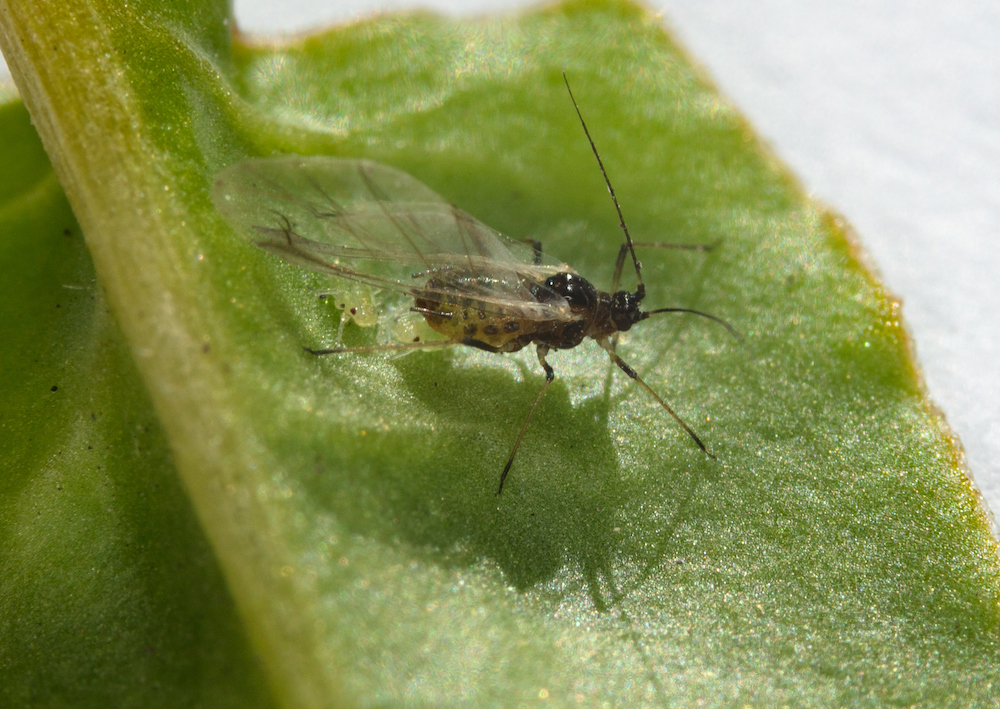
BBRO head of science Mark Stevens says winged aphids are appearing at all trials sites and numbers of wingless aphids which transmit yield-damaging beet poleroviruses through the crop are building.
“Crops drilled with Cruiser SB (thiamethoxam) should have 10-weeks protection and stop any wingless aphid activity during that time.
“However, crops that don’t have that protection will be under pressure over the next 3-4 weeks as temperatures rise and Myzus numbers continue to build.”
Dr Stevens says aphid pressure is a particular concern this spring because broadly, the crop is behind where it should be at this time of year.
As plants are most vulnerable to virus infection when small and the yield penalty greatest when the crop is infected early in its development, it could have significant impact if left unchecked.
To minimise risk of yield losses, non-Cruiser crops should be treated with a foliar insecticide as soon as the spray threshold of 1 green wingless aphid per 4 plants up to 12 true leaves is met.
Dr Stevens explains that one conundrum for growers is which product to use first.
“As BBRO monitoring suggests beneficial insect numbers are generally low, he says it is potentially better to go with InSyst (acetamiprid) first for rapid knockdown of aphids in small, vulnerable crops.”
Growers can then follow up with Teppeki (flonicamid) if aphid numbers breach the threshold again.
This will maintain a period of systemic protection against aphids with a lesser impact on beneficials, allowing them to build and assist with pest control thereafter.
BBRO has applied for access to a third insecticide active substance, spirotetramat, and it is hoped this emergency authorisation may come through in time for use in June.
Related news: