
Independent agronomists play a critical role in helping UK arable businesses remain profitable amid rising costs, market volatility, and increasing climatic pressures. Speaking at the AICC annual technical conference, Ceres Rural’s Dan Matthews described a “perfect storm” of flat yields, elevated input prices, reduced direct support, and exposure to global markets that growers cannot influence.
Profitability is the foundation of long‑term sustainability, and businesses must now manage volatility, risk, and margins with greater precision.
Inputs, Yield, and Decision‑Making
Long‑term data shows no strong link between total variable input spend and grain yield. Performance is driven by field‑level management decisions. Independent agronomy enables growers to align inputs with crop potential, adapt to seasonal conditions, and avoid unnecessary expenditure.
Analysis of wheat crops across Ceres Rural clients confirmed that higher yields come from well‑targeted fertiliser and spray applications, not simply higher spend. In many cases, small reductions in input use paired with effective management improved profitability.
High Variable Costs and Structural Challenges
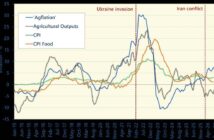
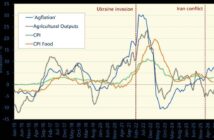
UK arable farming faces structural disadvantages, including high global variable costs due to climate, pest pressure, and regulation. With inflation squeezing margins, financial scrutiny is essential, making independent advice more valuable than ever.
Building More Resilient Systems
Looking ahead, independent agronomists will play an expanding role as farming adapts to greater volatility. Resilience depends on stronger soils, robust rotations, benchmarking, and informed use of technology.
Key Messages:
– Profitability must come before sustainability
– Yield depends on management decisions, not spend
– Targeted inputs protect margins in volatile seasons
– Independent agronomy drives stronger returns
Related news: