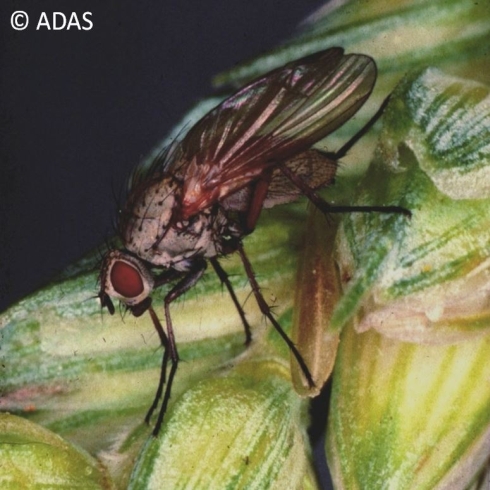

Products containing chlorpyrifos were withdrawn from the market earlier this year and pest management strategies will require tweaking, including those for wheat bulb fly (WBF).
At this time of year, row crops and freshly cultivated bare soil provide an ideal location for wheat bulb fly to lay eggs. Late-sown and spring-sown wheat and barley drilled where eggs have been laid are more vulnerable than early-sown crops, as plants may not be well tillered by the time the larvae hatch and invade stems in the New Year.
With the loss of authorisations for egg-hatch (chlorpyrifos) and deadheart (dimethoate) sprays, seed treatments and methods of cultural control are the only options for crops at risk of damage.
The risk of larvae invasion posed by eggs laid in late summer varies each year. An indication of this year’s WBF risk will be published in the autumn. For information on this and WBF management, visit:
http://cereals.ahdb.org.uk/pests