
Average UK oilseed rape yields could exceed 4t/ha for the first time this harvest, according to United Oilseeds, in what would mark a record performance for the crop and underline renewed grower confidence.
The co-operative says early harvest data from members across the country suggests this year’s crop has comfortably outperformedlong-term averages. AHDB figures put the UK 10-year average at around 3.3t/ha, while the five-year average heading into the 2025 season was approximately 3.1t/ha. Last year, AHDB reported a national average yield of 3.7t/ha, one of the strongest results since 2017.
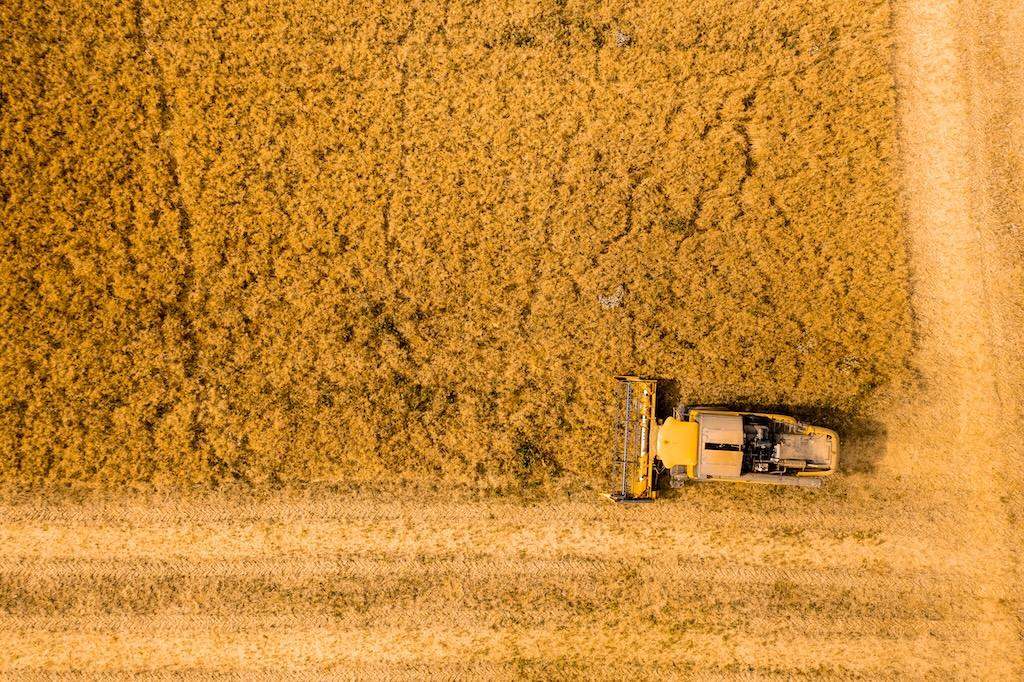
With harvest largely complete in England and nearing completion in Scotland, reports point to a crop that has exceeded expectationsdespite another dry season across many areas.
United Oilseeds says the crop’s deep-rooting habit has helped it access moisture from deeper in the soil profile, supporting performance during drought stress. Many members reported crops looking exceptionally well through the season, with some describing oilseed rape as their best-performing break crop and, in several cases, the best-paying crop on farm.
Better establishment and improved management of cabbage stem flea beetle are also being credited with helping rebuild confidence in the crop. Adoption of the industry’s 10 strategies for managing CSFB, including flexible drilling decisions, has given growers a broader toolbox for reducing risk.
As growers prepare for the new drilling season, the “ditch the date” message remains central. With dry conditions still affecting parts of England and Wales, drilling according to soil moisture and field conditions, rather than the calendar, is seen as critical to achieving rapid, even emergence and helping crops grow away from early pest pressure.
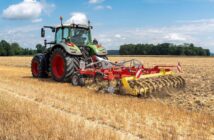
Shallow post-harvest cultivation is another approach attracting interest. Work within the CSFB Research+ project by Colin Peters and the Niab team suggests light cultivation after harvest may help disrupt flea beetle populations in the soil and reduce adult emergence later in the season.
Although very dry conditions have limited cultivation opportunities in some areas, growers creating a shallow tilth may also improve rainfall infiltration when showers return, reducing run-off from hard or capped surfaces.
Genetic progress is also playing a role. Stronger autumn vigour, improved agronomic packages and continued breeder investment are helping modern varieties realise more of their yield potential, particularly as CSFB pressure becomes better understood and managed.
Beyond agronomy, oilseed rape continues to offer rotational and market benefits. Its early harvest helps spread workload and free up grain storage ahead of cereals, while demand for UK rapeseed remains strong. Because the crop tracks different market fundamentals to wheat, barley and oats, it can also provide useful diversification within the farm business.
For mixed and livestock units, autumn applications of digestate, slurry and specialist food waste products can add further value by recycling nutrients onto the crop before winter.
United Oilseeds says higher-performing varieties, stronger establishment strategies, improved CSFB management and favourable market dynamics are all helping restore confidence. If final harvest results confirm average yields above 4t/ha, 2026 could be remembered as the season that reaffirmed oilseed rape’s place as one of the UK’s most valuable break crops.
Related news: