
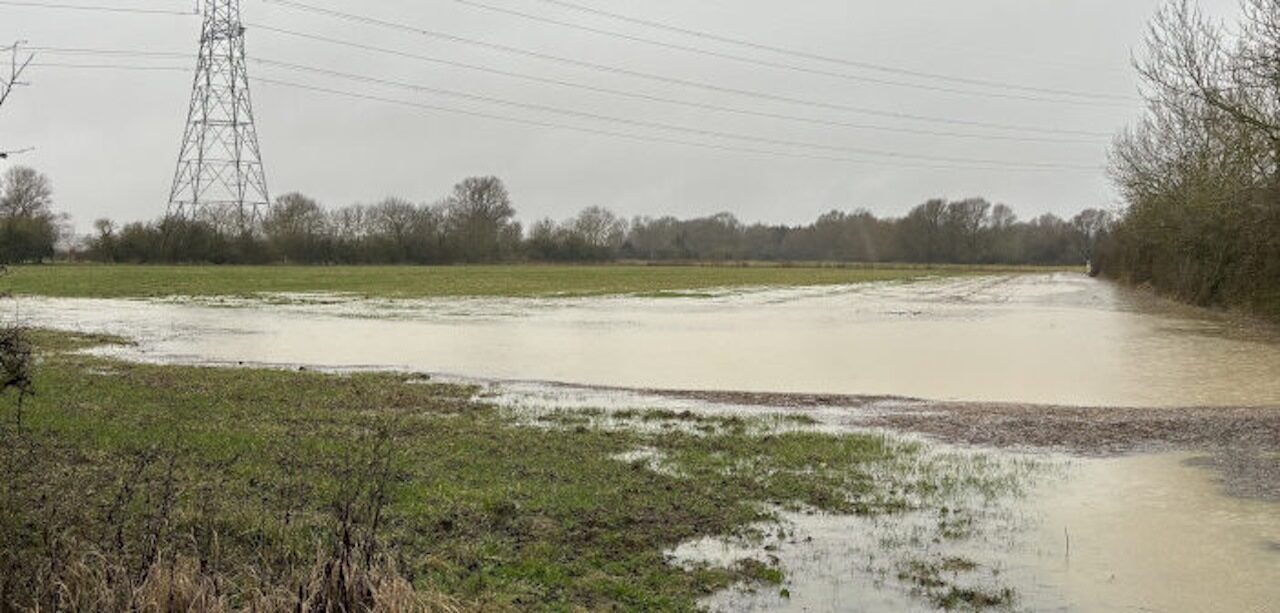
Following a persistently wet start to 2026 across many parts of the UK, growers are being advised to undertake soil assessments as fields begin to dry. Industry specialists warn that the effects of prolonged waterlogging often extend well beyond the disappearance of surface water.
According to Met Office reporting referenced in recent sector commentary, parts of the Southwest experienced rainfall every day up to midFebruary, while Northern Ireland recorded its wettest start to a year since records began. Growers in Southern England, the Midlands and Wales have also faced significant challenges following sustained rainfall and extreme weather.
Eurofins Agro UK stresses that soil testing will be essential as soon as conditions allow. In guidance published earlier this month, Eurofins’ Shane Brewer noted that waterlogged crops, or those submerged for more than 15 days, may be at risk of loss, and that longterm soil impacts can only be accurately evaluated once excess water has receded.
Subsurface Impacts of Waterlogging
While aboveground symptoms are often clear, the document highlights several key changes taking place below the surface. Saturated soils significantly reduce oxygen availability, limiting root function and slowing nutrient uptake, particularly in springdrilled crops. Aerobic microbes decline in lowoxygen conditions, while anaerobic activity increases, affecting nutrient release and potentially contributing to uneven establishment. Earthworm numbers may also fall as worms move away from saturated layers or die off, reducing natural aeration and structural resilience.
Spring Recovery and Management
Advisers are encouraging a measured approach as field access improves. Soil testing can help determine the balance of bacteria, fungi and protozoa, supporting decisions around nutrient management, soil friability and reducing crop stress. Where topsoil has been lost through runoff, earlyseason nutrition plans may need revisiting, particularly on lighter land types. The document notes that soil improvers such as Sea2Soil may assist in restoring nutrient availability and supporting soil resilience.
Compaction Risks Remain High
Compaction remains a major concern following extended saturation. Travelling on wet ground ahead of spring operations increases the likelihood of smearing and reduced pore space. Industry guidance continues to emphasise delaying fieldwork until soils are suitably dry, minimising axle loads, and conducting targeted cultivation only under favourable conditions.
BiologyFocused Inputs
Some growers are exploring biologically supportive soil conditioners as part of their recovery strategy. The document notes that fishhydrolysatebased products, including Sea2Soil, can provide organic compounds that may help support microbial activity and improve soil structure in stressed scenarios.
Related news: