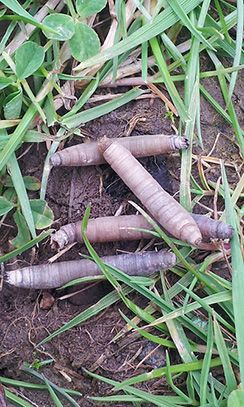

Scientists from Scotland’s Rural College (SRUC) are warning that this spring there is a high risk of damage to spring cereals from Leatherjacket grubs.
There are also concerns that infestation will damage fields remaining in permanent grassland. With control methods now more limited they are urging farmers to prepare their plans now.
Leatherjacket is the name given to the grubs of the crane fly or “daddy-long-legs”. They live just below soil level and each year eat the roots of grasses and other plants from August through to June. The risk to spring sown crops applies across all of the Scottish regions surveyed by SRUC, while the risk of yield loss and damage to grassland is particularly high in Argyll, Ayrshire, Bute, Renfrewshire and Dunbartonshire.
Scotland’s Rural College has conducted an annual survey since the mid 1970s. These latest results prove the value of such long term surveillance and the data generated. Grub densities fluctuate from year to year but over the past 20 years they have consistently risen higher, linked, it is believed, to climate change and wetter, milder autumns. According to SRUC Ecologist Professor Davy McCracken, who undertook the survey :
“The loss of reliable chemical controls last year and the high degree of risk this year means that it is even more important that farmers start planning now if they want to limit leatherjacket damage to crops and grassland on their farms. SRUC’s advice remains the same as we highlighted at the end of last summer – survey key fields now to know what densities are present so the results can inform spring management decisions.”
Leatherjacket populations in many of Scotland’s fields have, as predicted, continued to build from the low levels observed two years ago and the medium levels seen last year. According to the latest annual survey, undertaken in west and central Scotland between November 2016 and February 2017, the average density recorded across the fields in the survey was 1.6 million grubs per ha.
“The likely impact on production will depend on the population density of the grubs, the proposed use of the field and equally importantly at what point a farmer realises that a damaging level of grubs is present,” comments Davy. “Although chemical control is no longer feasible, farmers still have options if they establish the risk present in each field early enough.”