

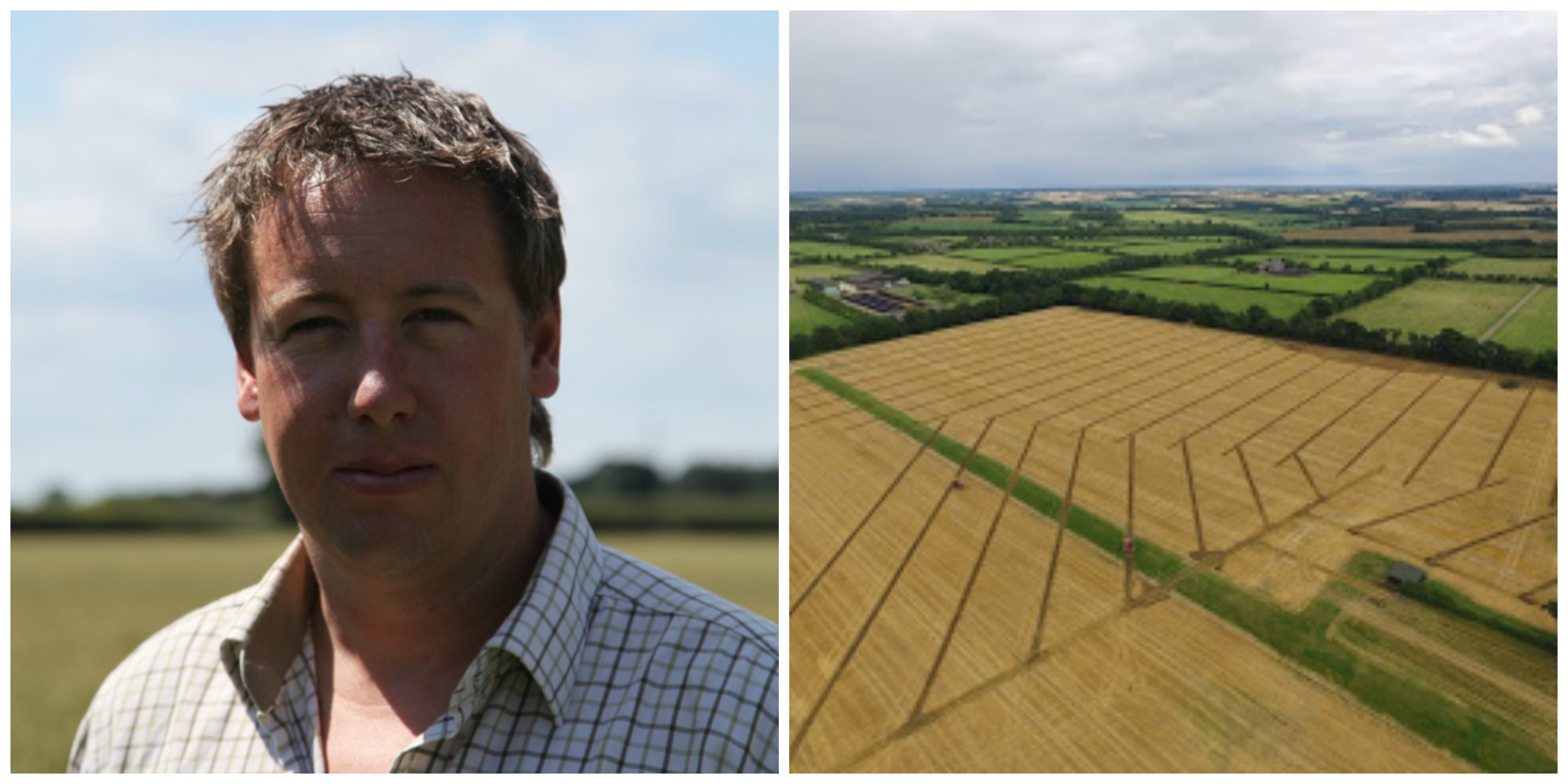
Land Drainage has become an increasingly important item on the agenda on many UK farms over the last few years with some particularly wet seasons causing dramatic issues with regard to arable operations.
This situation has reared its head recently with Storm Angus battering much of the UK and causing widespread flooding issues. In many cases, yields have suffered as a result of these wet conditions and the management of wet land has proved problematic – particularly when trying to undertake major operations such as harvesting or cultivations.
Drainage experts William Morfoot Ltd are exhibiting at Croptec and have a team of drainage specialists on hand to discuss how land drainage investment can drive out higher yields on your farm. Detailed technical advice is available on how new drainage projects can be delivered along with further yield data relating to recent drainage projects that the company has implemented
Many UK Farms are now embarking a period of sustained reinvestment in land drainage within their fields – replacing drains that were last installed many years ago. Tim Sisson, Managing Director of William Morfoot Ltd comments, “There is a general acceptance amongst many progressive growers that these old drainage schemes are now not delivering. In order to obtain the top yields that they are looking to drive out of their land, there is an increasing recognition that farm drainage schemes need to be reviewed and where necessary, replaced.”
The typical yield uplift of between 25-35% which follows the implementation of a new drainage scheme is significant meaning that a lot of growers are now placing the investment in drainage higher up their priority list. “Having soils in good condition represents the very core of successful crop production,” continues Mr Sisson. “This back to basics approach has seen a lot of our customers prioritising drainage investment ahead of other items in recent times. The yield uplift speaks for itself and the fact that it makes the land easier to manage is also a massive bonus – particularly at a time when many farms are block cropping their land to gain obvious efficiencies in a time of tight margins.”
With blackgrass control also dominating much of the arable headlines at the moment, there is also widespread recognition of the fact that poorly drained soils are producing ideal soil conditions for blackgrass to thrive within. As such, owning well drained soils is being viewed as a critical starting point for blackgrass management – along with the other set of tools available to farmers including well planned crop rotations and delayed drilling where necessary. Feedback from clients who have recently completed comprehensive drainage schemes within blackgrass infested areas is that blackgrass management has been notably more successful following the implementation of the new drainage schemes.
.