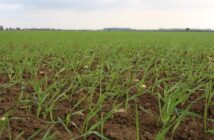

The first half of the 2025/26 season has generally seen most crops develop well following
relatively early drilling in many areas, with strong tillering and high biomass, which bodes
well for yield potential, providing disease can be kept at bay.
Cool weather did slow growth slightly during April, so while crops were quite advanced
earlier this spring, everything is now much closer to normal.
Protecting them for as long as possible in what is shaping up to be a high disease pressure
season will take careful planning, says Hutchinsons agronomy innovation director, David Howard.
“This can be easier said than done if weather windows are limited and budgets are under
pressure, but much has been invested to reach this stage, so it’s key to think of maximising
our return.
“Monitoring crops closely and reacting to risk with a balanced strategy that tackles any
disease already present, and protects crops through to ear emergence, or beyond, is
essential. “
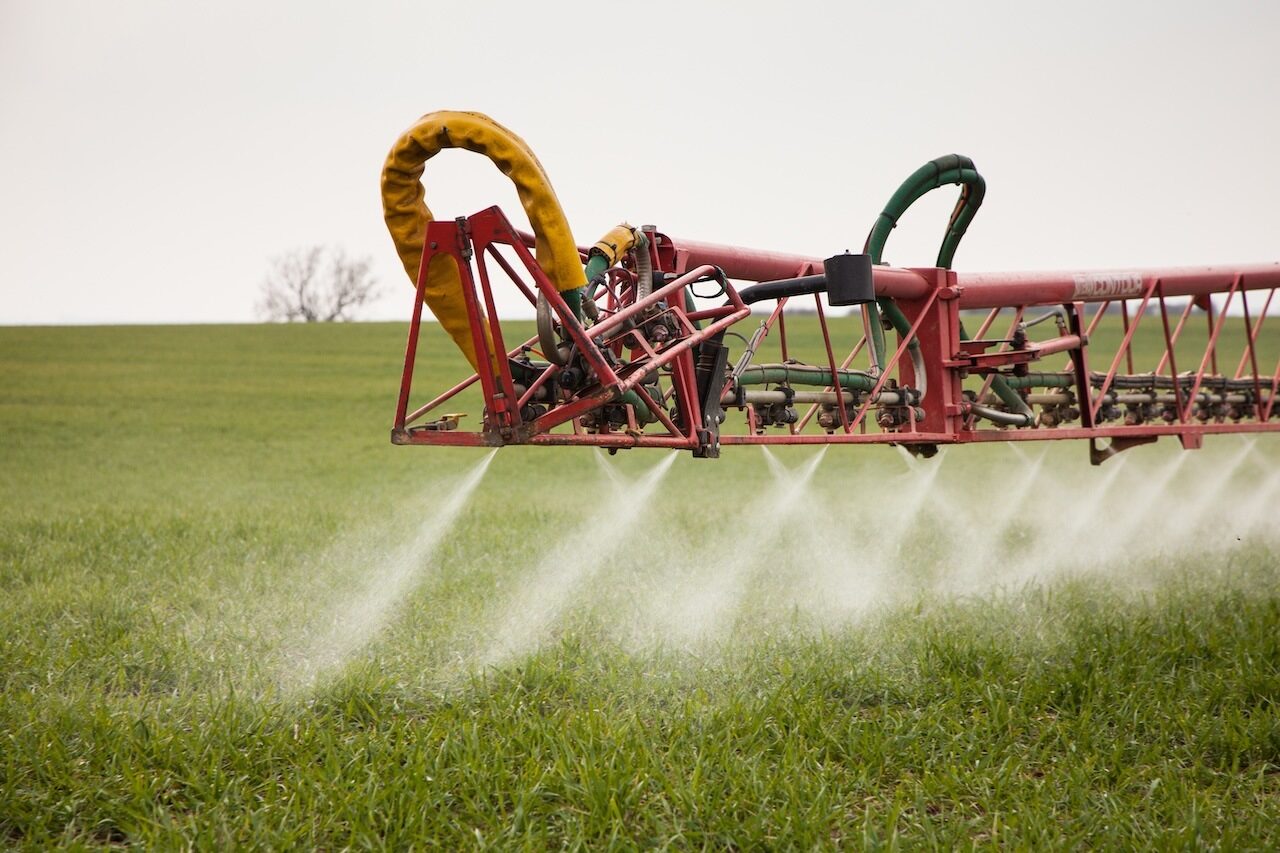
Of all the main wheat fungicide timings, the flag leaf (GS 37-39) application, delivers by far
the greatest return, with the top two leaves typically contributing two-thirds of total yield.
“Septoria is typically the focus at T2, especially in wetter western and southwestern areas,
however, the spectre of yellow rust is a big unknown this year given the changes to YR15
resistance, potentially bringing rust to the fore in more crops, beyond the usual higher risk
eastern areas.
He recommends in the highest Septoria situations, pydiflumetofen and fenpicoxamid are
two of the strongest actives available. Isoflucypram is more of an all-rounder for rust and
Septoria, but Septoria control can be bolstered by using it with other chemistry, such as
prothioconazole or fenpicoxamid.
“Alternatively, look to mixtures of fenpicoxamid with other rust-active chemistry to achieve
balanced protection.
1“Given their rust activity and longevity, strobilurins have a valuable role at T2, if not already
applied earlier in the programme. Equally, milling wheat growers concerned about brown
rust may want to reserve a strob for T3, however if pressure is high at T2, react to what is
already there, rather than risk letting disease get established, he adds.
“Folpet may be a useful addition in high Septoria situations, and as a multisite, aids
resistance management. Indeed, wherever possible, aim to bring different modes of action
into the programme, as persisting with SDHI/azole mixes repeatedly will potentially cause challenges going forward.
Related news: