
Scottish Agronomy looks at Spring Barley alternatives as growers make choices for season ahead
Following a challenging harvest season marked by quality issues and depressed markets, Scottish Agronomy is urging growers to carefully weigh their options before abandoning Spring Barley in favour of alternative crops.
“We had an exceptional harvest in Scotland in many ways and for most crops, yields were respectable and even exceptional,” says Adam Christie, Managing Director of Scottish Agronomy, the independent agronomy cooperative which marks 40 years this year since it was established.
“Winter Oilseed Rape was the star of this year’s harvest with yields for some higher than believed possible. Winter Barley and Winter Wheat, when well established in the autumn, rewarded well helped by relatively low wet weather disease levels. Oats were much more variable, suffering from the dry spell. Spring Barley was where the real challenge lay.”
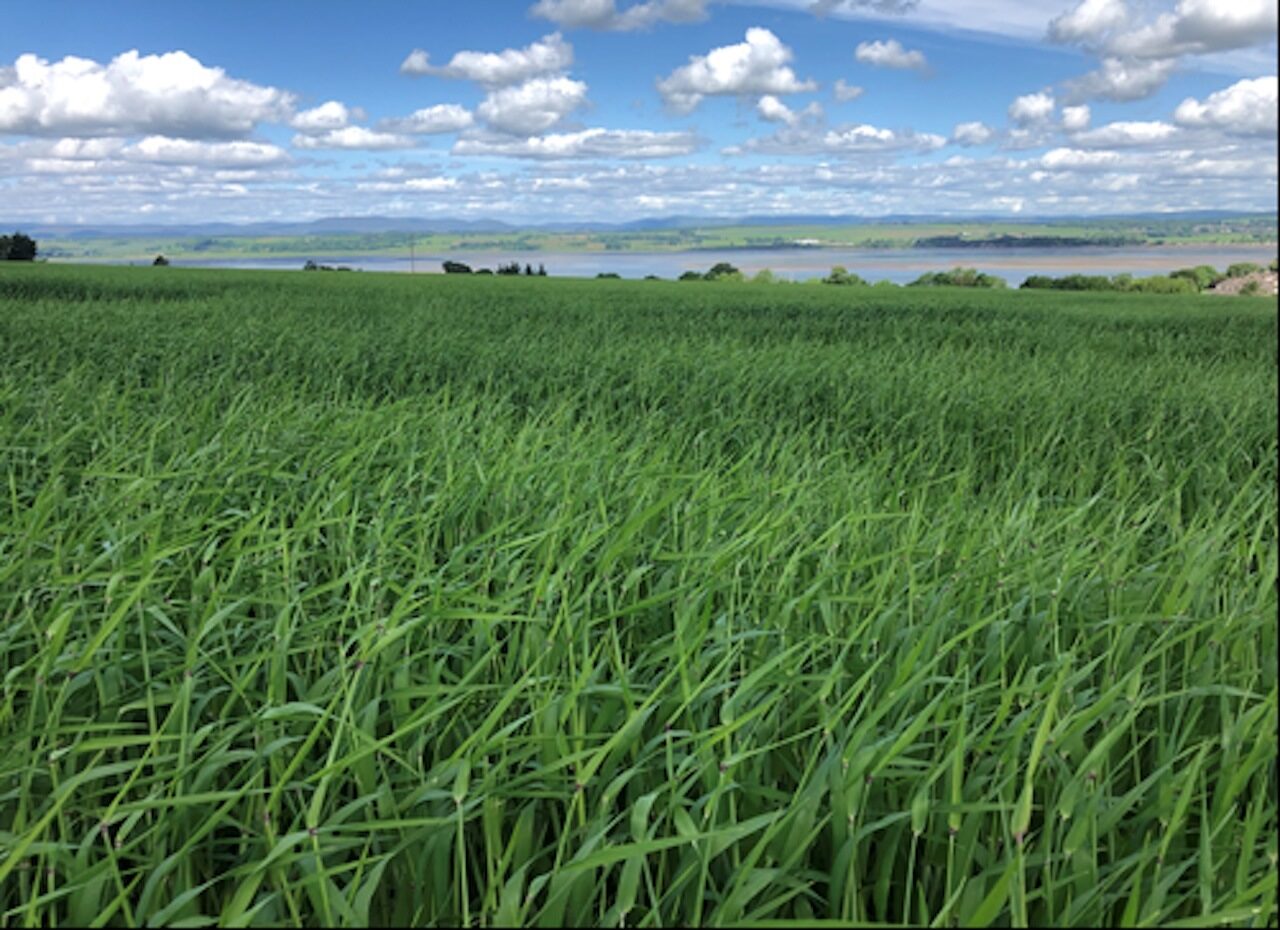
The 2025 growing season presented unique difficulties for Spring Barley producers across Scotland. While many crops across the country were established early with adequate moisture supporting initial tiller production, on lighter soils or areas with limited moisture, crops were thin.
“Like 2023, the kicker arrived in mid-June, with heavy showers promoting late tillers to fill the gaps. ‘Greens’ became all too obvious in crops. However, unlike 2023, the early arrival of harvest two to three weeks ahead of normal this year meant that there was little opportunity for these late tillers to produce viable grains, leading to significantly elevated screenings. You only have to look at how green remaining stubbles are in the field to witness the high levels lost from the crop.”
“The pleasant surprise was that yields were near normal,” says Mr Christie. “But quality was not, and when combined with a depressed market for malting barley and a surfeit of feed barley, has made marketing a challenge for many.”
Mr Christie suggests that the industry has never faced such elevated screening levels, and many producers are now considering on-farm livestock production as a viable route to gain value from this year’s crop.
The outlook for quality Spring Barley demand is a concern, says Mr Christie:
“Worryingly, the dip in demand for high quality Spring Barley looks like it could last for several more years. Our agronomy team has had a huge number of discussions with growers in recent weeks looking for viable alternatives to continued Spring Barley production. Our annual trials programme, both on the trials sites and on member farms, gives us interesting insights on leading options, and the evidence built up over 40 years is very valuable to guide difficult decisions in times like this.”
Alternative options could include growing peas, beans, Spring Oilseed Rapeand Spring Linseed. Mr Christie urges caution, however, before making any wholesale changes:
“There is a reason why we always return to Spring Barley. When you look at many of the alternatives the economic prospects are often poorer than Spring Barley, even in today’s depressed market. You need to consider the potential risks that the decision to move away from Spring Barley may have and if that suits your farming business. Growers may well find that the best alternative to Spring Barley is Spring Barley, as odd as that sounds. Switching from a Spring Barley aiming for the quality market to one prioritising yield may well prove a less risky option than switching to one of the alternatives.”
Over the last two years, Scottish Agronomy’s has trialled areas of peas and beans as preceding crops within its over-year programme. Yields this year were respectable, he says, though in 2023 they were less good.
Mr Christie recommends creating a budget, plan and to assess if your business can carry the greater chance of crop failure in these alternatives to gain other returns.
“Replacing Spring Barley may have potential benefits with ready markets and rotational advantages that were not so obvious previously, and indeed, the effects of climate change may well mean that the risks in growing these ‘Cinderella’ crops are actually lessening with time,” Mr Christie suggests. “Using data and the experience of growing these crops in Scotland will be vital in guiding some key growing decisions for the year ahead.”
Related news: