

In the far north of Scotland, near Halkirk in Caithness, John Mackay runs a mixed arable and livestock farm across several sites spanning more than 300 acres. With a background that spans engineering, the nuclear industry, and now an offshore career, John has always returned to farming whenever he’s home. That mix of experiences has shaped his perspective on how to best manage the land.
“Because I’m away offshore for long stretches, I’ve had to rethink how we farm,” John explains. “It’s about making the system work smarter, not harder. Improving soil health while reducing synthetic inputs is the way forward for us.”
Today, the farm grows barley (and previously oats) and runs livestock across rough grazing ground. John is also exploring ways to expand into more crop production over summer while increasing livestock numbers through winter grazing, whether by utilising forage crops or bringing in store lambs and cast ewes.
Finding New Inputs
With plenty of late nights spent researching alternative farming processes and systems, John has built his knowledge. “After shifts, I’ll sit down and dig into regenerative practices, foliar nutrient systems, and biological inputs. That’s how I came across Sea2Soil,” he says.
After reaching out to Liz at Sea2Soil for more information, John began trialling their product alongside foliar-applied urea, Epsotop, and molasses. And even without compound fertilisers, the results were encouraging.
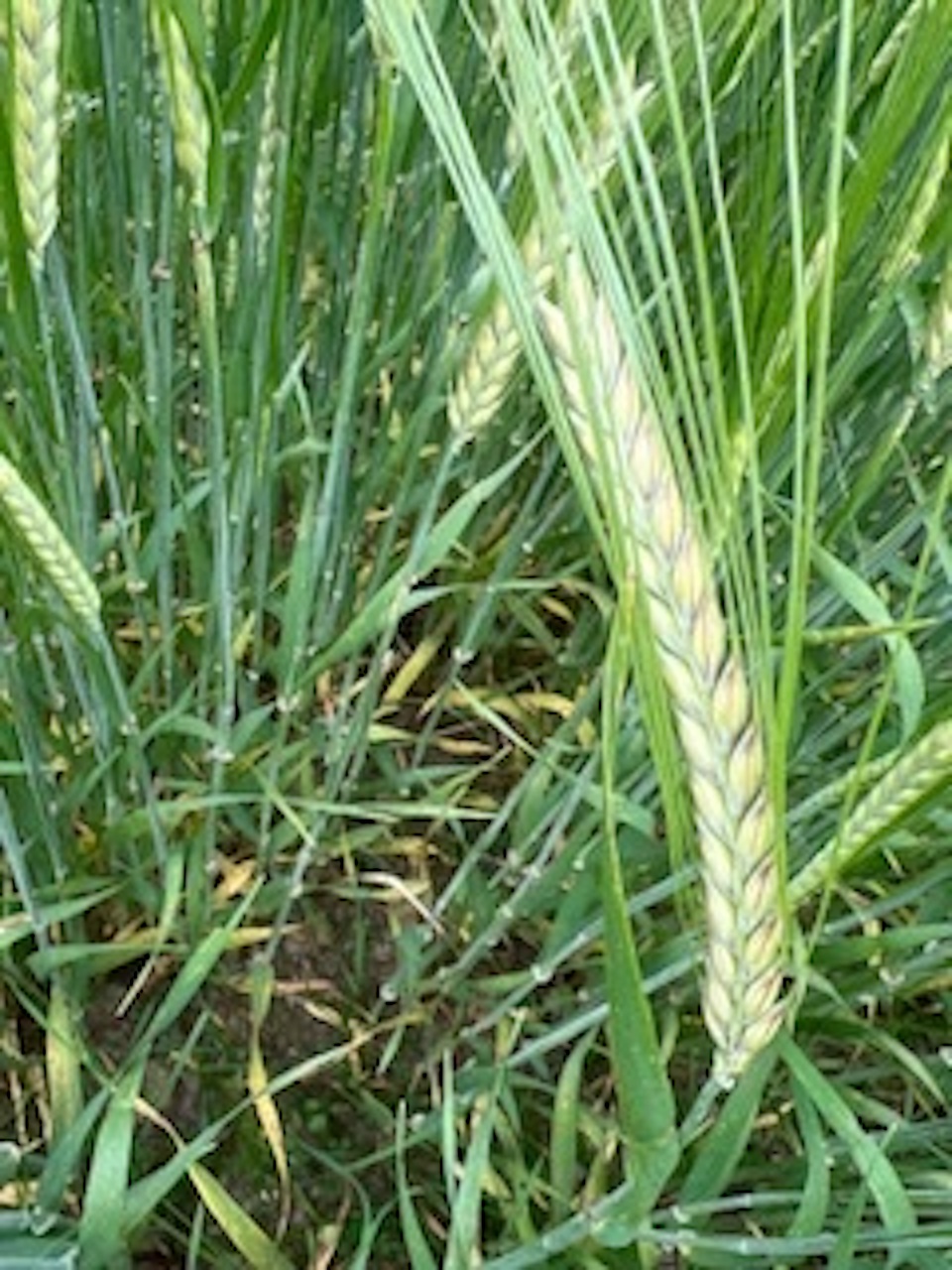
“Our crops held their colour, rooted well, and bulked up nicely – even through dry spells,” John recalls. Demonstrating how Sea2Soil can be used in a very practical way to improve overall crop resilience in a changing climate, especially in drier seasons like we’ve seen in 2025.
Related news: